Products are divided into high,
medium and low grades,
and the materials used for paper boxes and paper bags are no exception.
The most common paper is white cardboard,
which is firm and sturdy.
A 210gsm sheet can easily support a load of 3–5 kg.
For heavier items such as leather garments, 250
gsm white cardboard offers stronger load-bearing capacity and excellent printing results,
making it a standard choice for medium-to-high-end Paper Bags.
Paper Bags is less commonly used.
It is softer than white cardboard,
with a conventional thickness of 175gsm.
It delivers the same printing effect as white cardboard and usually requires lamination,
at a similar cost.

Paper Bags
,
mostly imported from overseas.
This material makes boxes and bags lighter and more compact.
Although its load-bearing capacity is lower than white cardboard,
it maintains stable color during printing and requires no lamination.
It is also the most expensive among these materials,
and many premium gift bag manufacturers regularly import this grade.
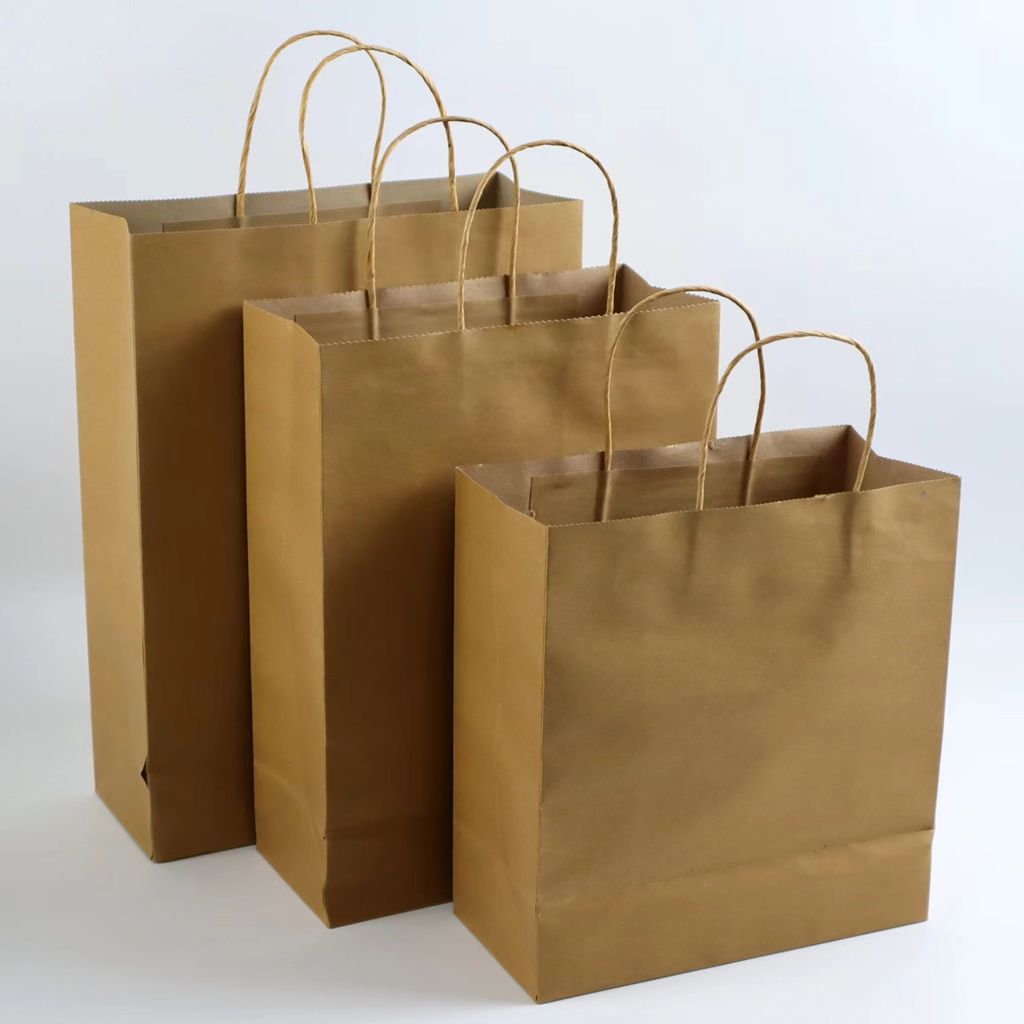
Brown kraft paper is another option,
priced lower than coated art paper.
For products with lower production value,
affordable packaging helps reduce costs significantly.
grey board and double-sided white paper are cost-effective choices,
among the most economical paper types for packaging.
Grey board has one white side and one grey side, with a minimum thickness of 250gsm. It is relatively soft but offers comparable printing results to white cardboard and requires lamination.
Shopping Tips
Double-sided white paper is similar to grey board but white on both sides with a grey core, slightly more expensive than grey board, and can serve as a practical alternative to white cardboard.
This covers the main paper types for packaging.
When selecting materials for your custom paper boxes and paper bags,
prioritize matching the material grade to your product positioning.
Do not pursue low cost blindly;
always confirm samples with your manufacturer to ensure ideal coordination between packaging and product.