


When packaging products, a single outer box is often not enough. Most products also require an inner liner, also known as an inner tray, to be placed inside the box.
So how should we understand inner liners? An inner liner is an insert placed inside the outer packaging—such as white boxes, color boxes, or cartons. It can be made of foam, plastic, or other materials. Its main function is to protect the product and minimize damage during shipping and transportation.
In terms of materials, common gift box inner liners include:
EVA liners (EVA can be flocked for a premium look, at a slightly higher cost),
EPE pearl cotton liners, sponge liners, paper liners, and blister liners. Below, our packaging design team briefly introduces the properties of these inner trays.
First, EVA inner liners.
In terms of performance, they can be eco-friendly or non-eco-friendly, anti-static or fire-resistant.In terms of color, they come in white, black, and custom colors. White and black are standard, while special colors require custom production. If customers require specific colored EVA, they must inform the factory in advance, as custom production takes time.
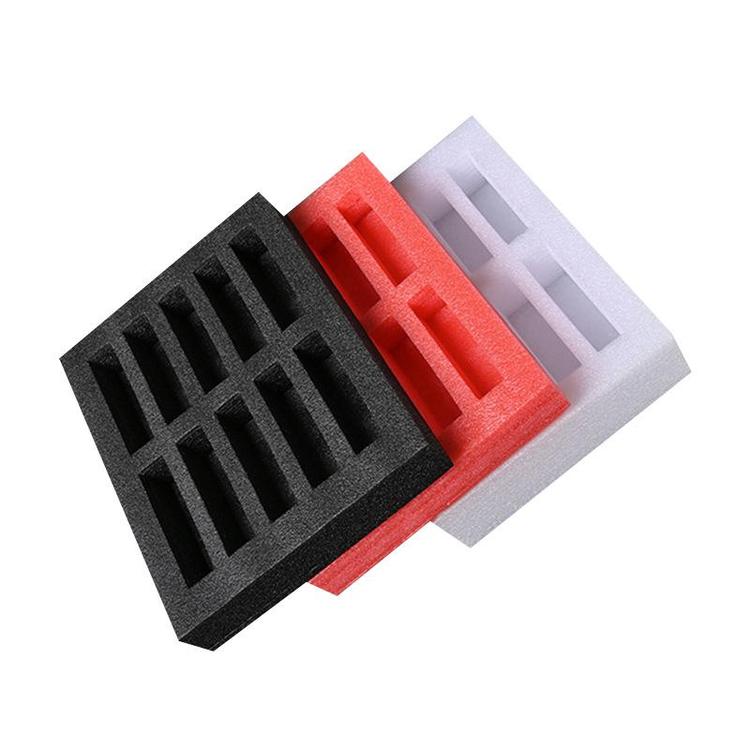
EPE pearl cotton inner liners are available in eco-friendly and anti-static versions, in white, black, and red.
Sponge inner liners can be eco-friendly, anti-static, or fire-resistant. Colors include black, white, and custom colors—custom colors require production unless stock colors are available.
Paper inner liners are environmentally friendly and recyclable, making them widely used today. They are easy to assemble and disassemble, provide good cushioning, and effectively reduce product damage. This material is very popular due to its low cost and reliable protection, with a wider range of applications than EVA.
Blister inner liners, also known as plastic trays, are another widely used packaging material. They are produced by forming plastic sheets into shaped cavities using blister technology. Products fit securely inside these cavities, providing both protection and an attractive presentation.
No matter which inner liner material is chosen, it must match the product positioning and target audience.

Simply choosing expensive materials that do not coordinate with the outer box will not achieve a good overall effect.
This is why professional packaging design companies provide tailored recommendations based on product attributes to help customers make the best choice.

Scan the QR Code with WeChat